
This article marks the launch of a new series dedicated to successful and innovative solar energy projects, with a primary focus on Building-Integrated Photovoltaics (BIPV). Through a curated selection of local and international case studies, this series aims to uncover the full potential of modern BIPV solutions—ranging from public infrastructure to contemporary residential and commercial architecture. By analyzing real-world projects, we seek to understand how these technologies can be adapted to diverse architectural styles, climates, and markets in the region.
Today’s architects are embracing energy-efficient approaches that represent a radical shift from traditional solar installations. This evolution has led to the rise of BIPV systems—a solution that seamlessly integrates solar technology into architectural elements such as roofs, facades, and can opies.
Unlike conventional solar panels, which are typically retrofitted onto existing buildings, BIPV systems are designed as an integral component of the structure. They serve a dual purpose: generating clean electricity while simultaneously acting as a functional, structural, and aesthetic building material. The result is solar technology that is nearly invisible yet profoundly impactful, aligning perfectly with both the functional and aesthetic requirements of modern design.
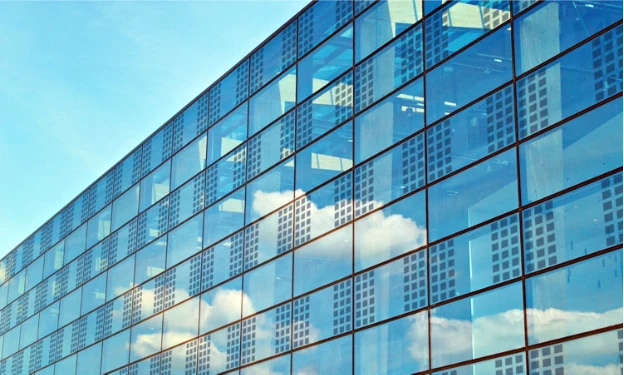
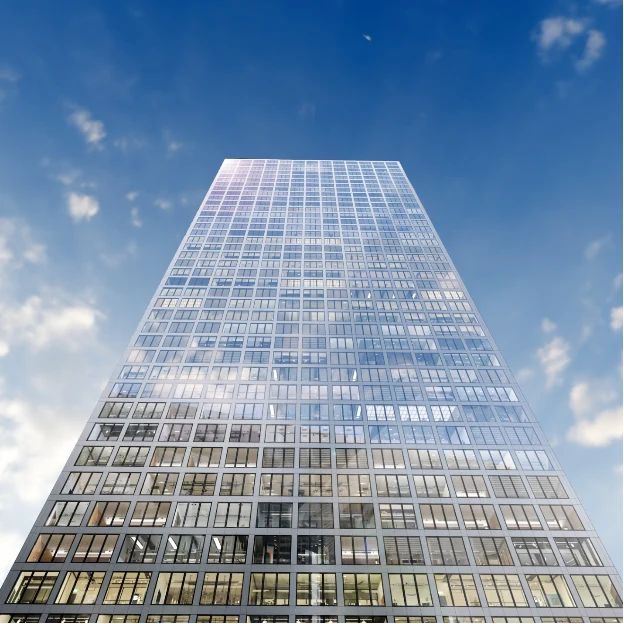
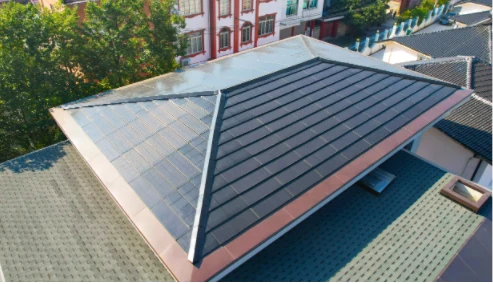
Expanded Vision and Case Study
In this context, BIPV represents a philosophy that empowers architects and designers to meet increasing environmental demands without compromising aesthetic quality or creative ambition—internally or externally. Projects across the globe demonstrate how solar technologies can enrich architecture without detracting from its structural integrity or original character.
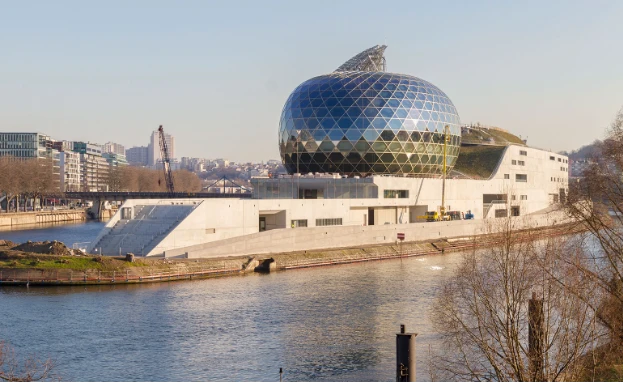
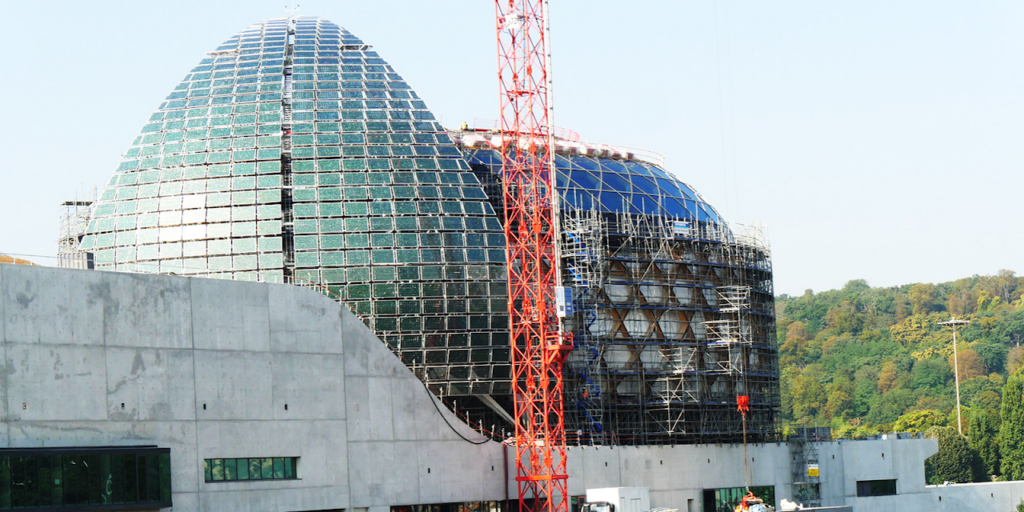
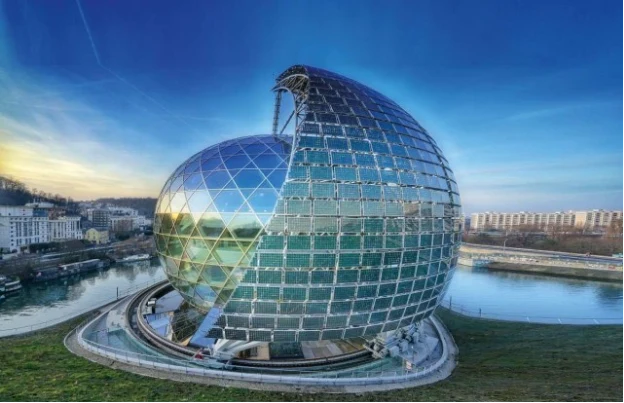
Case Study: La Seine Musicale
Located on Paris’s Île Seguin, La Seine Musicale is one of the most compelling examples of BIPV seamlessly and intelligently integrated into modern architecture. Completed in 2018 and designed through a collaboration between Shigeru Ban Architects and Jean de Gastines, this cultural complex harmonizes unique architectural forms with cutting-edge sustainability.
The Innovative “Solar Sail” of La Seine Musicale
This groundbreaking complex is renowned not only for its striking design and world-class concert halls but also for its pioneering application of solar technology.
At the heart of the structure lies a rotating solar “sail” integrated with 470 BIPV panels. Of these, 396 are active photovoltaic units generating electricity, while the remainder serve aesthetic purposes to maintain a uniform visual appearance. This sail is designed to track the sun’s path, maximizing solar exposure throughout the day while simultaneously regulating natural light and shading for the building’s interior spaces.
The BIPV system generates approximately 50–80 MWh of clean electricity annually, covering about 5–8% of the building’s total energy demand.
La Seine Musicale is a flagship example of sustainable urban design. The project has earned prestigious environmental certifications, including the HQE (Haute Qualité Environnementale) and BiodiverCity labels. It serves as a powerful demonstration of how renewable energy can be intelligently and harmoniously integrated into large-scale public architecture.
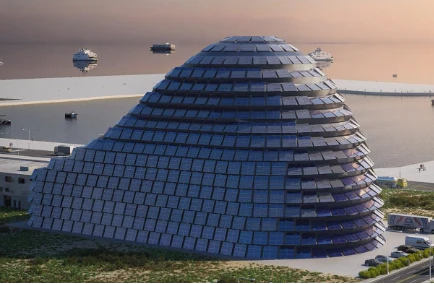
La Seine Musicale proves that energy-efficient architecture has moved far beyond basic solar panels. With urban spaces becoming denser and design demands higher, BIPV has emerged as a game-changer. It allows buildings to produce green energy without compromising on style or structure.
Whether for homes, offices, or public landmarks, BIPV bridges the gap between form and function. It makes clean energy a built-in feature of the modern world.
Solaron is at the forefront of this evolution in our region. By pioneering BIPV manufacturing and design, Solaron is putting Armenia on the map for green tech and reshaping how we think about sustainable building.
Stay tuned as we continue to explore more groundbreaking examples. The future of our cities is clear: buildings will do more than just shape our skyline—they will power it.