
As the demand for sustainable construction continues to grow, solar energy is developing beyond traditional rooftop installations. Building-Integrated Photovoltaics (BIPV) represents one of the most innovative advancements. This technology combines renewable energy generation with modern building design. In this article, we’ll explore what BIPV is, how it works, its key applications, and why it has the potential to transform sustainable construction in Armenia.
What is BIPV (Building-Integrated Photovoltaics)?
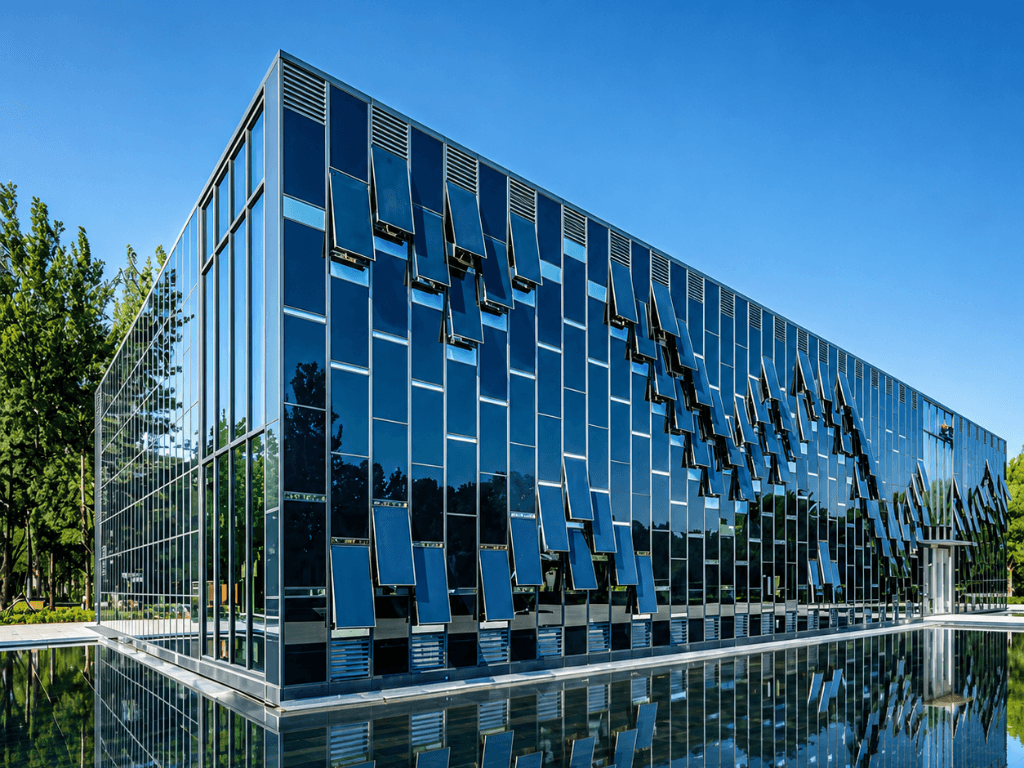
Building-Integrated Photovoltaics (BIPV) refers to photovoltaic materials that are integrated directly into a building’s structure rather than mounted onto it. Unlike conventional solar panels, BIPV systems become part of the building envelope, replacing traditional construction materials while generating clean electricity. In addition to producing renewable energy, BIPV systems perform the same functions as conventional building materials, including:
- Weather protection
- Thermal insulation
- Noise reduction
- Natural daylighting
- Structural safety
By combining multiple functions into a single solution, BIPV improves both the energy performance and architectural value of a building.
How Does BIPV Work?
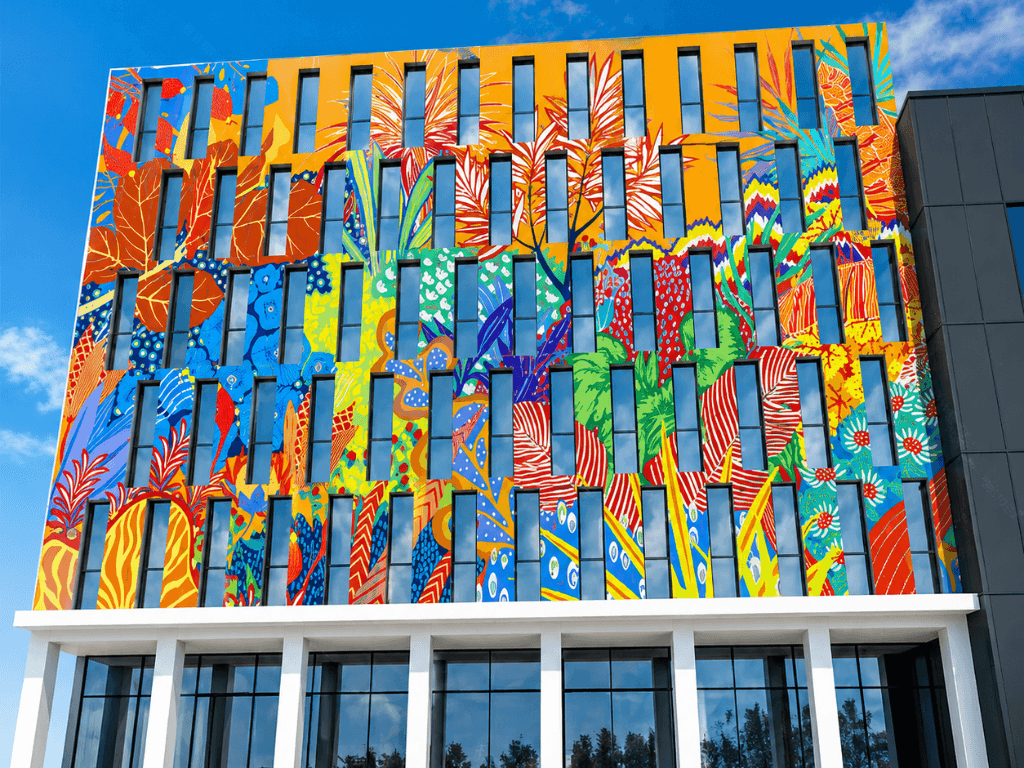
BIPV systems use photovoltaic cells embedded within building materials to convert sunlight into electricity. These cells capture solar energy and generate direct current (DC) electricity, which is then converted into alternating current (AC) by an inverter for use within the building or export to the electrical grid.
Unlike traditional rooftop solar panels, BIPV components serve as part of the building envelope while simultaneously producing clean energy. This dual functionality allows buildings to reduce energy consumption, lower electricity costs, and improve overall sustainability without compromising architectural design.

Real-World BIPV Projects Around the World
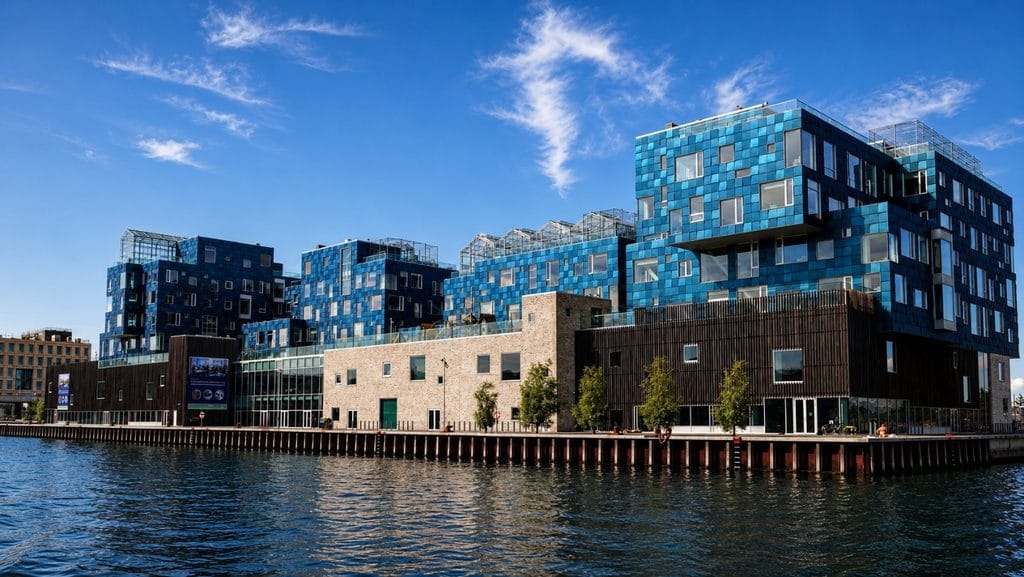
Now, let’s explore real-world BIPV projects from around the world. One notable example is Copenhagen International School, located in Copenhagen’s Nordhavn district.
Completed in 2017, the building featured one of Europe’s largest solar façades at the time. Approximately 12,000 custom BIPV modules cover 6,048 m² of the exterior, creating an installed capacity of around 720 kWp and supplying approximately half of the school’s annual electricity needs.
The panels serve two purposes: they replace conventional façade cladding while generating renewable electricity. By tilting and positioning each module in one of four orientations, the designers produce the building’s distinctive shimmering effect. The nanostructured glass technology reflects selected wavelengths of light to create its sea-green color, avoiding the use of conventional pigments.
The building also functions as an educational tool: students can monitor its energy production and use the data in subjects such as mathematics and physics.
Solaron BIPV Solutions: Building-Integrated Photovoltaics for Modern Architecture
SOLARON also offers a wide range of BIPV solutions tailored to the Armenian market. By keeping pace with the latest industry trends, the company aims to provide customers with advanced and reliable products. Discover some of SOLARON’s key BIPV solutions below.
SolarOnRoof: BIPV Solar Roofing Systems
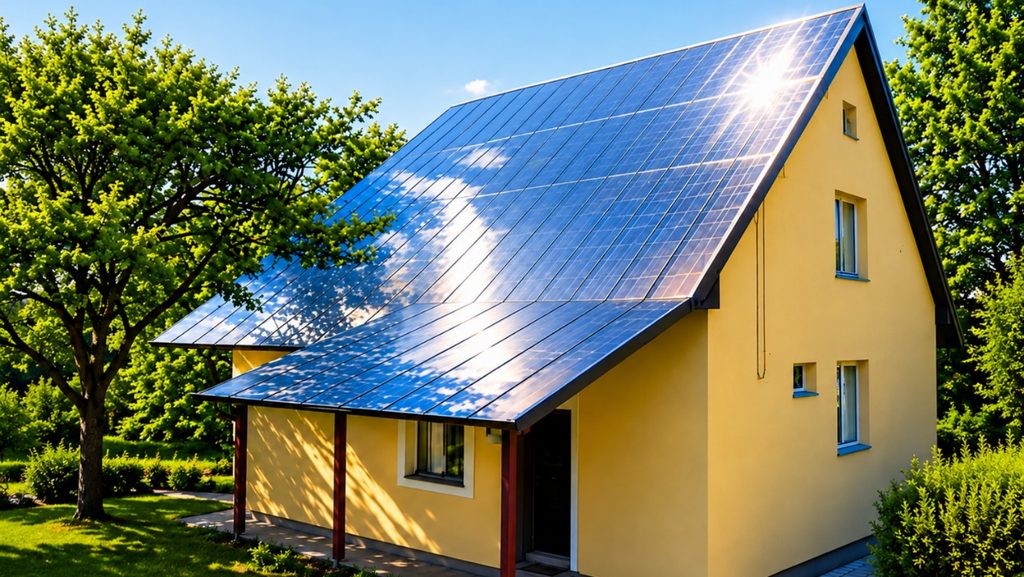
Solar roofing is one of the widely adopted applications of Building-Integrated Photovoltaics (BIPV). Unlike conventional roofing systems, which require solar panels to be installed after construction, BIPV solar roofs integrate photovoltaic technology directly into the roof itself. The photovoltaic modules replace traditional roofing materials, allowing the roof to protect the building while simultaneously generating clean electricity.
This integrated approach offers both functional and architectural advantages. By combining the roof and the solar system into a single building element, BIPV solar roofs reduce material redundancy, create a seamless appearance, and maximize the productive use of the roof surface. As a result, they have become an increasingly popular solution for new residential, commercial, and institutional buildings where energy efficiency and architectural integration are key design priorities.
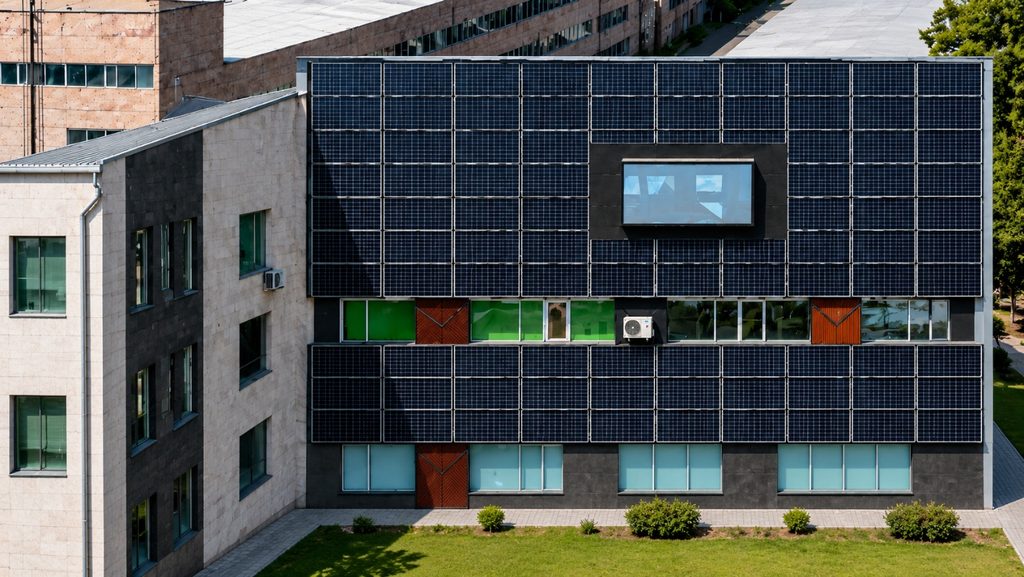
SolarOnWall: BIPV Solar Facades
Solar facades are one of the fastest-growing applications of Building-Integrated Photovoltaics (BIPV), enabling vertical building surfaces to generate clean electricity while serving as part of the exterior envelope. Instead of depending on traditional cladding materials, architects incorporate photovoltaic modules into the facade, which allows them to blend renewable energy production with contemporary architectural aesthetics. This approach is valuable for commercial, institutional, and high-rise buildings, where facade space often exceeds available roof area.
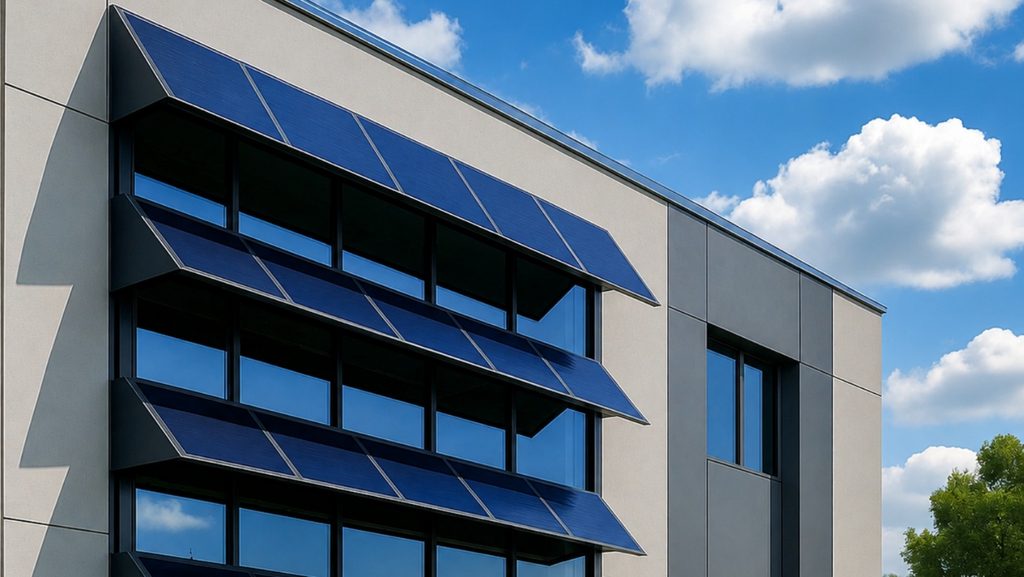
SolarOnShades: BIPV Solar Canopies and Shading Systems
BIPV shading systems combine photovoltaic technology with architectural elements such as canopies, pergolas, and sunshades. In addition to generating renewable electricity, these structures provide protection from direct sunlight and adverse weather while allowing natural daylight to pass through. Their dual functionality makes them an efficient solution for projects where sustainability, comfort, and design are equally important.
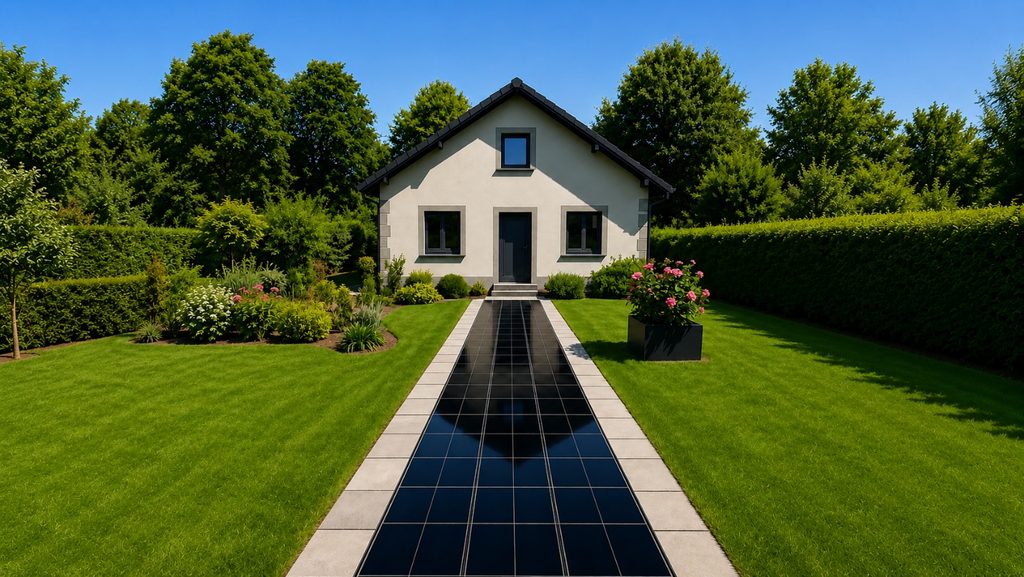
SolarOnFloor: BIPV Solar Pavements
BIPV is no longer limited to roofs and facades. Solar pavements integrate photovoltaic technology directly into walking surfaces, transforming pedestrian areas into durable, energy-producing infrastructure. Engineers design these systems to withstand daily use while ensuring safety and performance, showing that renewable energy can integrate into public spaces without reducing their functionality.
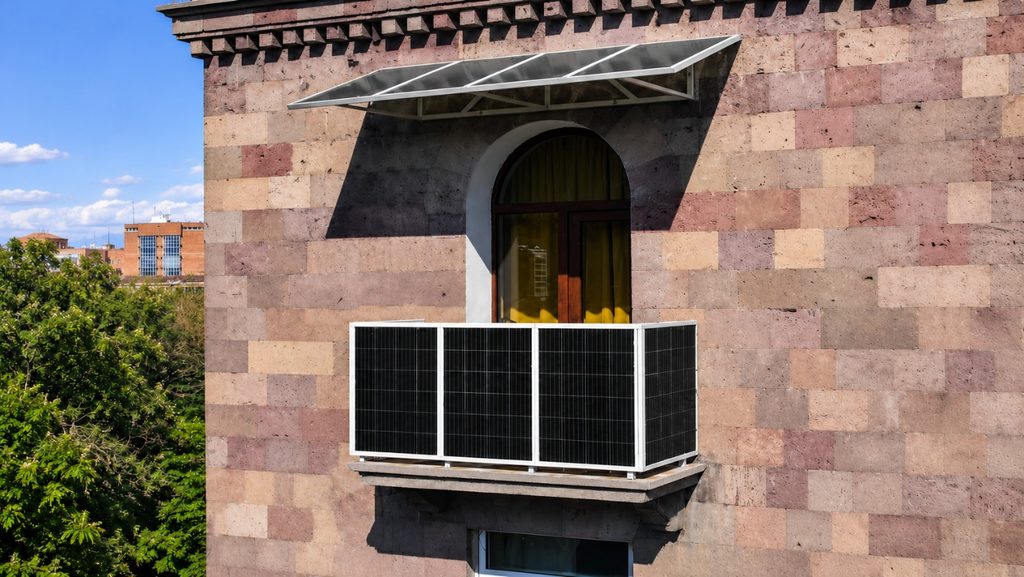
SolarOnBalcony: BIPV Solar Balcony Systems
Balconies offer another opportunity to integrate photovoltaic technology into modern buildings. By incorporating solar modules directly into balcony structures or railings, BIPV systems generate clean electricity while maintaining the safety, durability, and architectural appearance expected from conventional balcony systems. This approach maximizes the productive use of building surfaces, particularly in multi-storey residential and mixed-use developments.
The Future of Buildings Is Energy-Generating
From roofs and façades to balconies, shading systems, and pavements, BIPV demonstrates that almost every part of a building can contribute to clean energy generation. By combining photovoltaic technology with construction materials, it brings energy efficiency, functionality, and architectural design together in a single solution.
With Armenia’s abundant solar potential and growing interest in sustainable construction, BIPV offers new opportunities for architects, developers, and property owners. Solutions such as those offered by SOLARON make it possible to integrate energy generation into a building from the earliest design stages. As the technology continues to develop, buildings will increasingly become active producers of clean energy rather than passive energy consumers.